

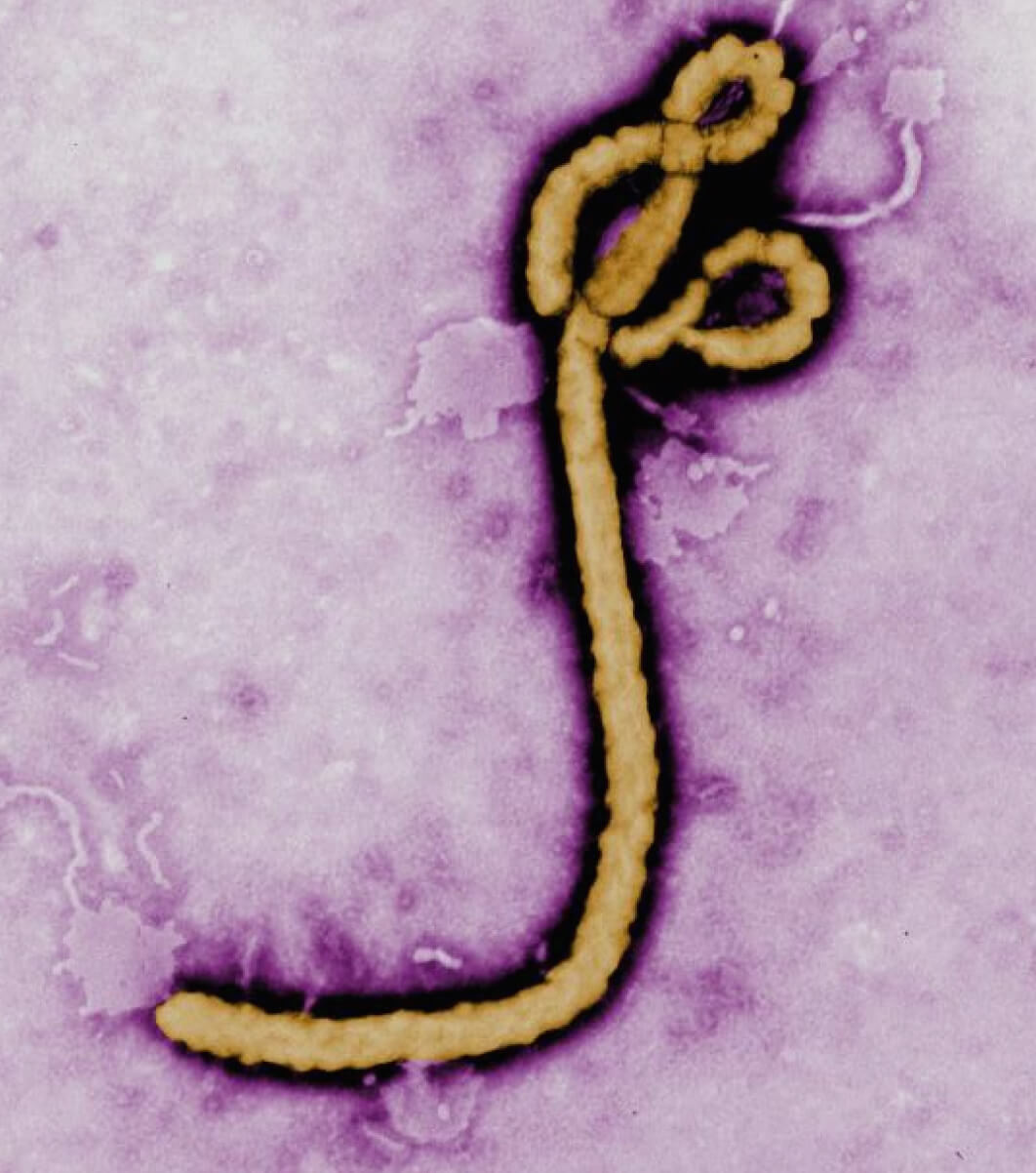
On January 19, 2025, a thirty-two-year-old male nurse became ill—complaining of headache, body pain, high fever, weakness and trouble breathing—while working at Mulago National Referral Hospital in Kampala, Uganda. He was treated for malaria, which is endemic in the region; misdiagnosis is common in Ebola’s initial “dry” phase, when symptoms resemble those of diseases like typhoid, meningococcemia and malaria.
After several days, the nurse’s symptoms worsened. He sought care at several health facilities in the area, including a private clinic and a traditional healer, before being referred back to Mulago National Referral Hospital, where he died in the intensive care unit on January 29. A post-mortem blood sample tested positive for Sudan ebolavirus, which causes a particularly deadly form of Ebola.
Even though the nurse’s symptoms were initially misdiagnosed, laboratories moved swiftly to sound the alarm just six hours after receiving the blood sample on January 29 and kickstarted a massive response effort across the country. “Once the labs confirmed a positive case, there was no hesitation—we took immediate action and declared the outbreak on January 30,” said Dr. Allan Muruta, Commissioner of Integrated Epidemiology Surveillance and Public Health Emergencies at Uganda’s Ministry of Health.
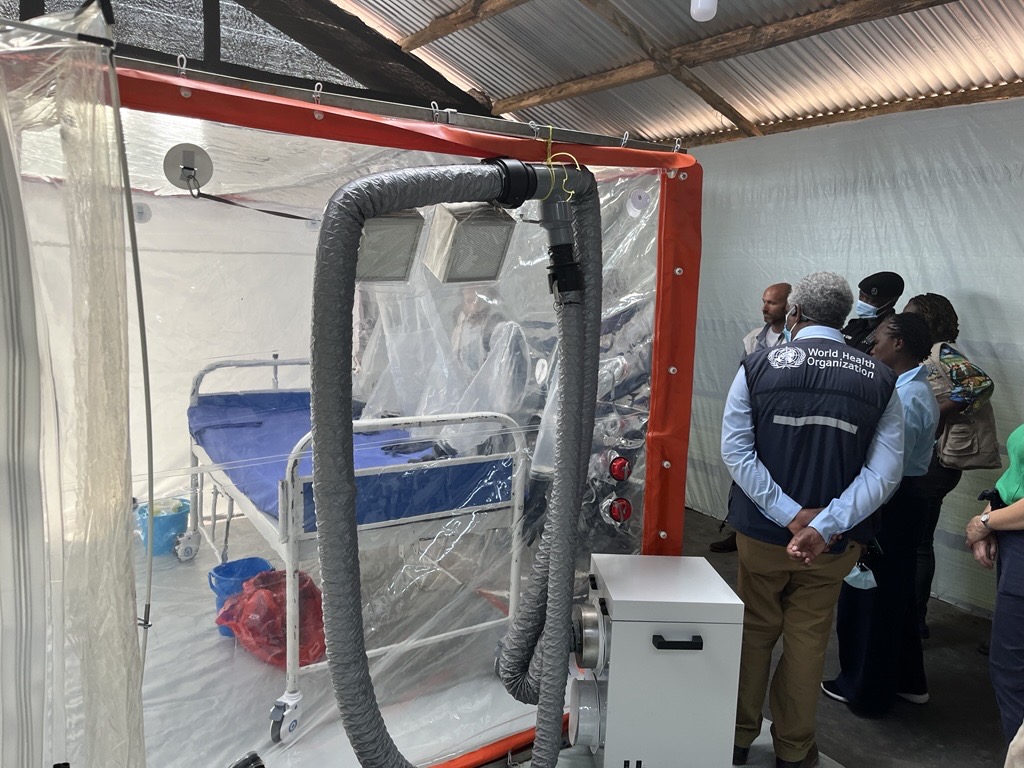
With funding from Resolve to Save Lives, Uganda’s Infectious Diseases Institute partnered with the Ministry of Health and the World Health Organization to establish treatment and isolation centers and stop cases from spreading. These funds also enabled authorities to quickly deploy national and district task forces and rapid investigation and response teams that included clinicians, epidemiologists and infection prevention and control experts.
Uganda’s ability to deploy rapid investigation teams was bolstered by a growing coalition of civil society advocates who have made health security a national priority. Through targeted budget advocacy, these organizations helped secure domestic investment needed for epidemic preparedness, including to maintain the national public health emergency operations center, ensuring the facility remained staffed and equipped to coordinate outbreak response.
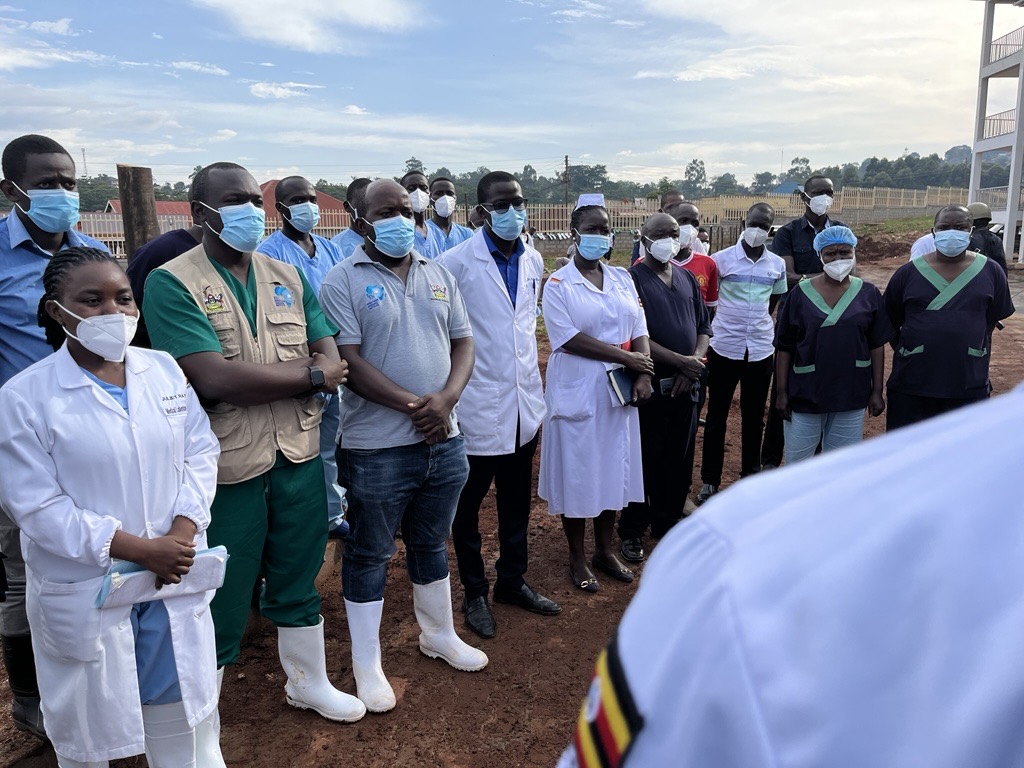
The national public health emergency operations center worked with its 12 regional counterparts to coordinate widespread contact tracing, testing and isolation efforts. Contract tracing began within 24 hours of the outbreak being declared, starting with the nurse’s relatives. Through this process, the team successfully located some of the nurse’s coworkers and people he encountered while traveling and seeking care, but convincing contacts to enter isolation for 21 days was a challenge.
We had to convey urgency, stay calm and acknowledge that people might panic or be reluctant to isolate. That meant stressing vigilance and addressing community concerns.
Dr. Charles Olaro, Director General Health Services at Uganda’s Ministry of Health
“We had to convey urgency, stay calm and acknowledge that people might panic or be reluctant to isolate. That meant stressing vigilance and addressing community concerns,” said Dr. Charles Olaro, Director General Health Services at Uganda’s Ministry of Health.
Social workers, religious leaders and community health workers all played pivotal roles in effectively engaging communities. They shared accurate health information that dispelled rumors about the disease and provided counseling to encourage positive behavioral changes and address some of the stigma surrounding Ebola. They also played a critical role in encouraging contacts to enter quarantine facilities, stressing that separation was essential to protecting loved ones.
National authorities already had several communications products created during a previous outbreak, which they quickly modified to create a range of fresh web, social media and radio content. The response teams, meanwhile, distributed brochures and flyers to local health facilities and communities, informing them about how to best protect themselves and what to do if they developed symptoms.
In total, 534 contacts were identified across six major cities. Ten people were diagnosed with Sudan Virus Disease while alive and they all survived, an outcome attributed to rapid detection and timely care. Two additional infections were identified through post-mortem testing and two deaths are suspected to be related based on epidemiologic evidence. The outbreak was declared over on April 26.

7-1-7 for performance improvement

Rapid laboratory testing

Availability of fast, flexible funds

Engaging local community leaders