





















EpidemicsThat Didn'tHappen
Investing in preparedness saves lives—and the 7-1-7 target shows how.
Latest report
2026
Global health is navigating one of its most turbulent periods in recent memory. Resources are stretched, institutions are under pressure and the shifting landscape of international cooperation has consequences we can’t predict. Against this backdrop, this year’s Epidemics That Didn’t Happen report offers good news, grounded in evidence. Our latest report showcases how proactive public health systems are stopping local threats from becoming global catastrophes and saving lives in the process.
Background: A contact tracer attempts to find recent contacts of Ebola patients in Mubende, Uganda. Credit: Luke Dray/Getty Images
This fourth edition of Epidemics That Didn’t Happen shows that the trajectory of a disease is not a matter of fate, but a matter of targeted investment and timing. Central to this year’s report is 7-1-7, a global target for early detection and response that assesses how quickly a country detects and contains infectious disease threats. As well as showing countries how to improve their response efforts, the target also makes the invisible visible by shining a light on the successes of investments in preparedness and confirming what works.
The 7-1-7 Alliance now spans nearly 90 countries. As 7-1-7 has been implemented across the globe, we’ve been able to analyze the data from hundreds of outbreaks and confirm what we’ve long intuited—that when we detect and respond quickly, an outbreak might not even occur, meaning fewer people get sick or die. The case studies in this year’s Epidemics That Didn’t Happen illustrate how identifying an outbreak early can stop a disease in its tracks:
Early detection
Digital technologies, including robust surveillance systems, allow countries to quickly find and deal with cases. Credit: Shutterstock

The first step in stopping an epidemic is knowing it has begun. The Caribbean Public Health Agency’s approach at the Cricket World Cup shows how high-performing surveillance systems are the essential eyes and ears of health systems. By investing in modern digital technology and streamlined reporting pathways, countries can cut through the noise to find cases quickly. When a pathogen is detected in 7-1-7’s seven-day “detect” window, we gain the ultimate advantage: the time to intervene.
Laboratory diagnostics
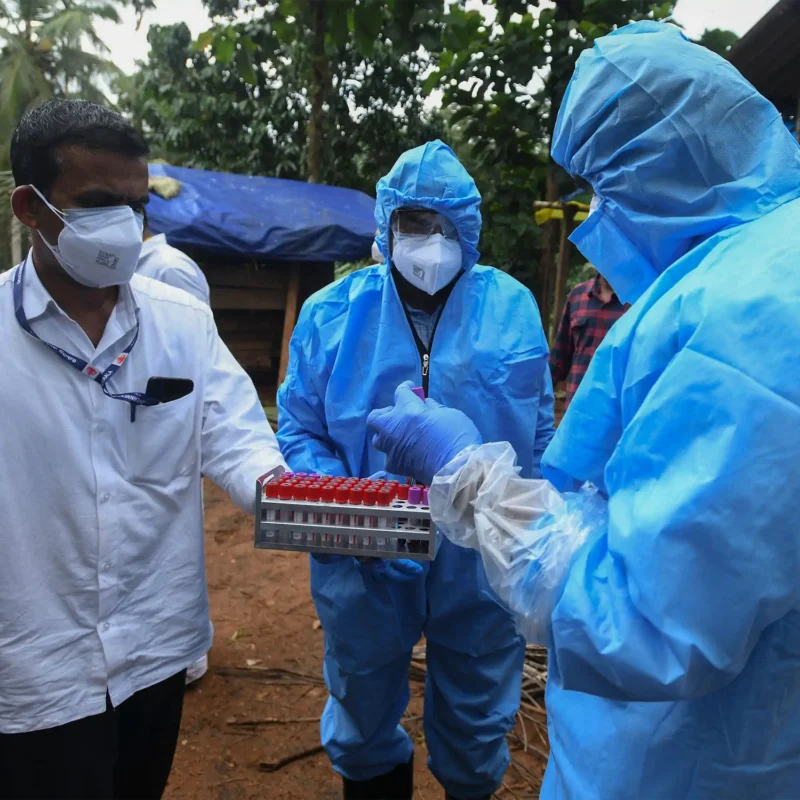
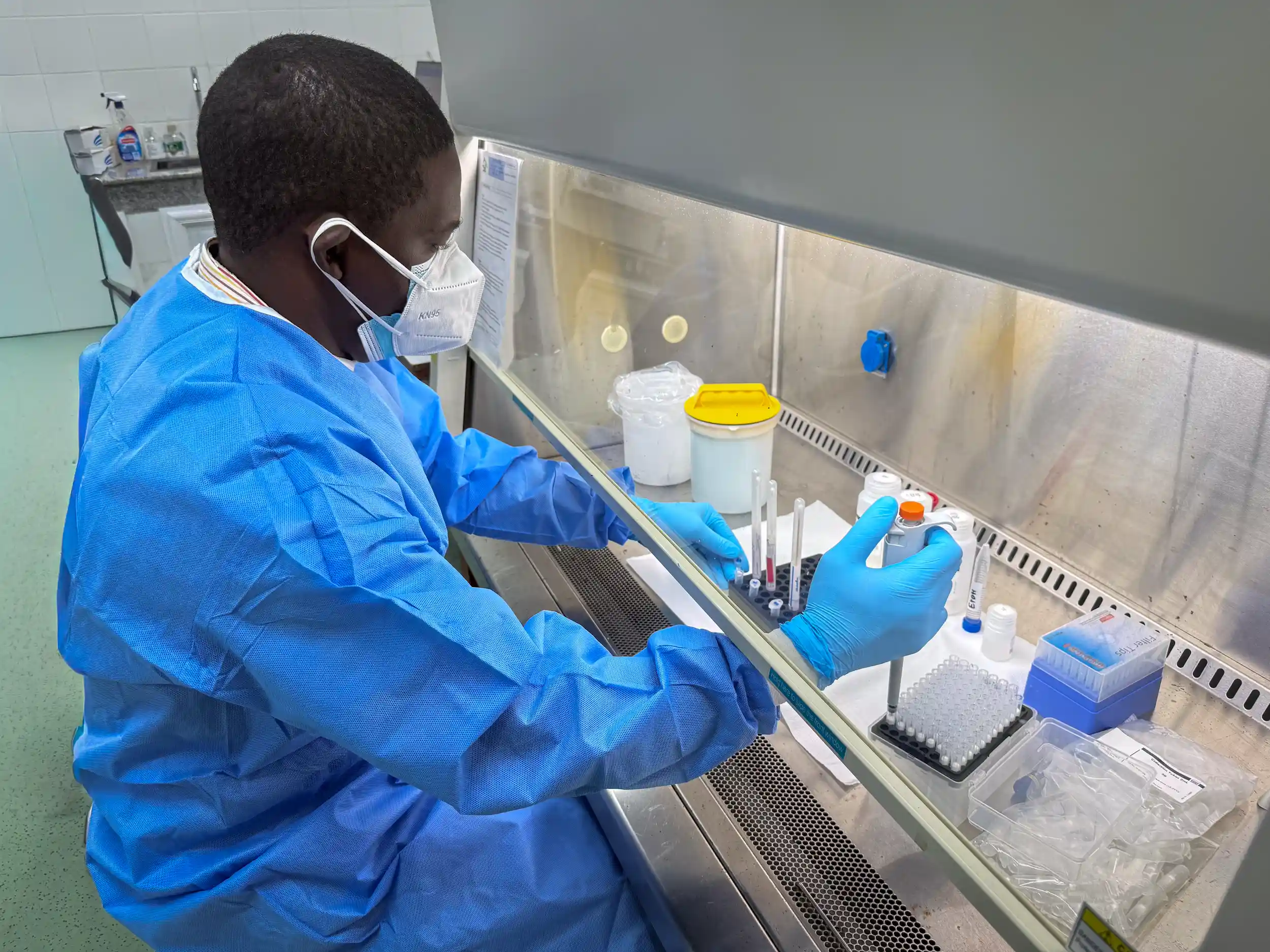
A laboratory technician in Gabon analyzes samples to detect mpox. Credit: Resolve to Save Lives
Speed is nothing without accuracy. El Salvador’s malaria response shows how effective responses often rely on laboratories that are equipped and ready to process samples at a moment’s notice. Strengthening diagnostic networks ensures suspected pathogens are confirmed or quickly ruled out, allowing officials to rapidly move from suspicion to targeted action. A well-integrated lab system is the backbone of any evidence-based response.
Health care workers
A doctor in a Thai hospital cares for a patient admitted with cholera symptoms. Credit: Resolve to Save Lives

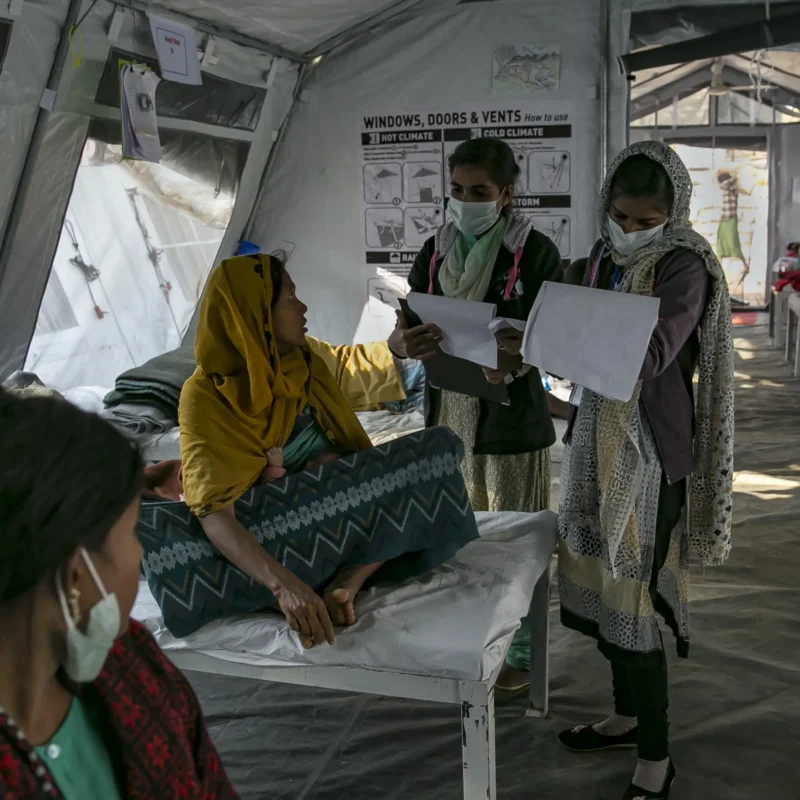
Technology and data are only as effective as the people using them. Primary health care workers are often the first point of contact for patients and the primary drivers of outbreak detection, which is why they’re best positioned to stop outbreaks at the community level. Gabon’s mpox response shows that when frontline workers are recognized, compensated and well supported, they become an impenetrable first line of defense.
Fast, flexible funding
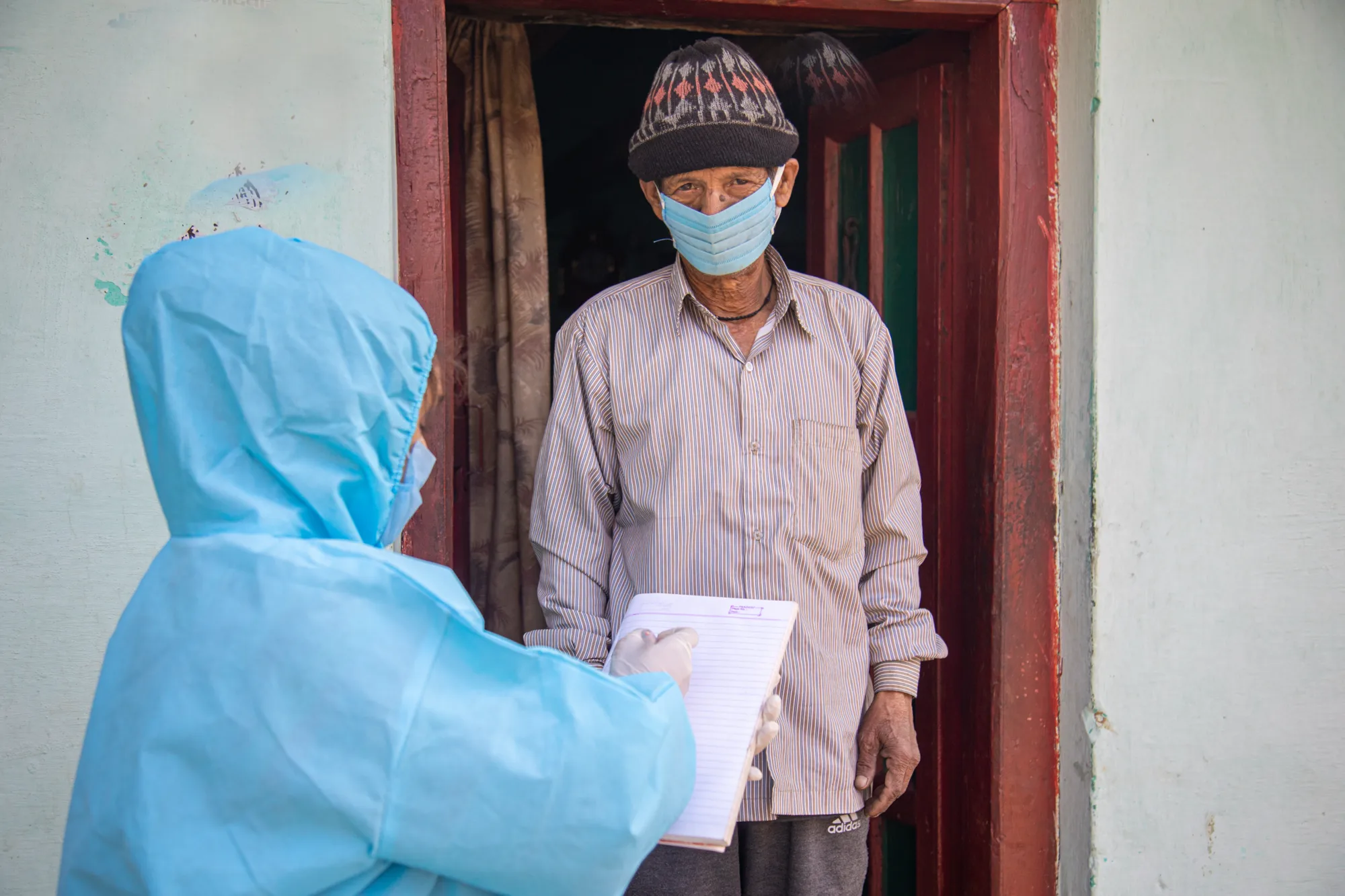
A nurse conducts home visits in Indian villages as part of an outbreak response effort. Credit: Shutterstock
Even the best plans are doomed to fail without immediate resources. Pre-arranged rapid outbreak financing provides the flexible funding necessary to kickstart response efforts immediately. Traditional funding mechanisms are too slow for the pace of an outbreak. South Sudan’s cholera response shows how frictionless financial mechanisms make sure that responders have the resources they need to quickly kickstart response efforts.
Vigilance at frontiers
A traveler is screened for disease symptoms upon arrival at Cape Town International Airport. Credit: Getty Images

Pathogens don’t respect international borders. Whether a threat arrives by land, air or sea, points of entry are critical places for early detection. Thailand’s response to a cross-border cholera outbreak underscores that while multilateralism may face challenges, cross-border cooperation remains active. By strengthening surveillance at gateways and fostering collaboration, countries can stop pathogens before they migrate further, protecting their people and the global community.
The latest evidence suggests that the speed of our response determines the scale of the crisis. Using the 7-1-7 target, our partners are collectively transforming global preparedness into a measurable, actionable discipline and showing that strategic investment in health security is one of the highest-yield decisions a country can make. When we detect threats early, empower health care workers, streamline labs and unlock rapid financing, we can stop outbreaks before they become epidemics.
Together with our partners, we’re building a world where every country has the tools to find outbreaks faster, stop them sooner and save millions of lives.
These are a few of the epidemics that didn’t happen over the last year:
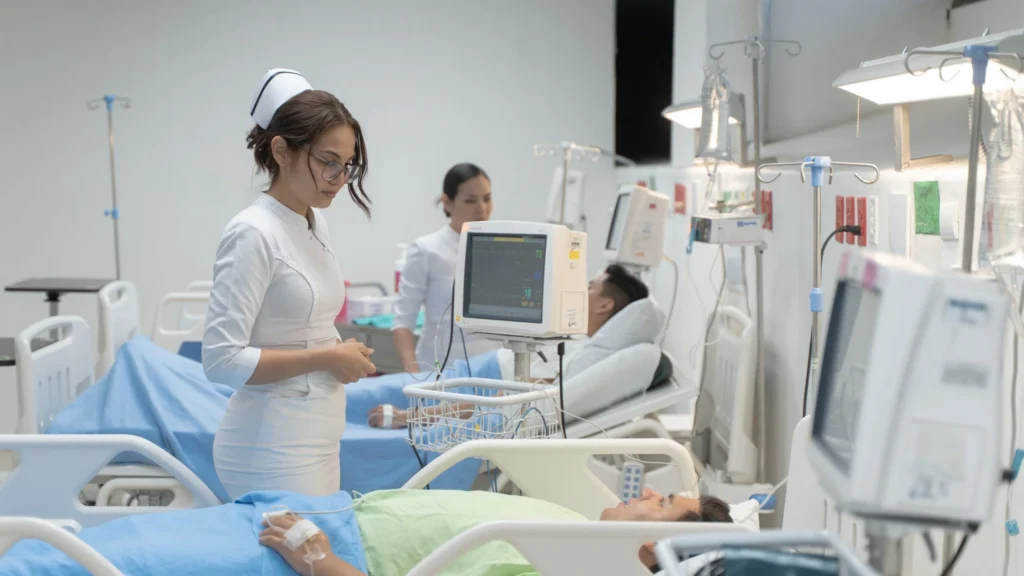
Malaria El Salvador
Using the 7-1-7 target, public health officials in El Salvador managed to stop the spread of imported malaria cases and maintain the nation’s malaria-free status.

Mpox Gabon
In the middle of a public health emergency across the Africa region, Gabon’s public health officials quickly stopped an mpox outbreak, achieving the 7-1-7 target with two confirmed cases and no reported deaths.
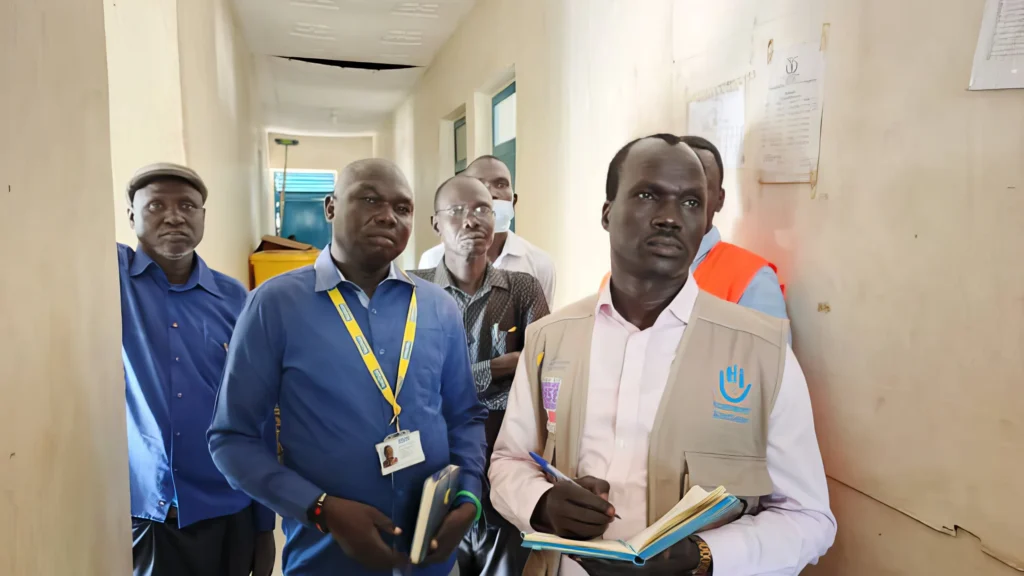
Cholera South Sudan
We partnered with South Sudan’s Ministry of Health to stop a cholera outbreak in what officials called “the fastest we’ve ever been able to deploy a team”. Thanks to a dedicated team on high alert for cases and the availability of fast, flexible funds, the Ministry managed to bring the outbreak to an end with six confirmed cases and no reported deaths.

Cholera Thailand
A cross-border collaboration successfully contained a cholera outbreak that began near the Thailand-Myanmar border. Using 7-1-7, applying lessons from an earlier E. coli outbreak and leveraging an existing coordination mechanism minimized the damage: Only 10 cross-border cases were identified, and no deaths occurred.
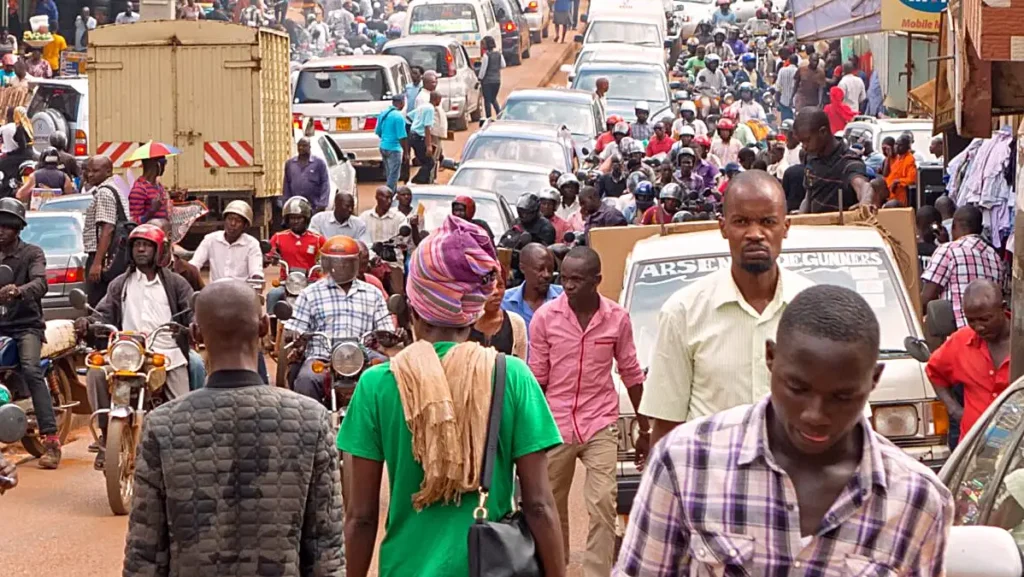
Ebola Uganda
Building on lessons from earlier outbreaks, Uganda’s recent containment of Ebola shows how the 7-1-7 target is transforming public health outcomes.

Early warnings the caribbean
During the Cricket World Cup, the Caribbean Public Health Agency’s new surveillance system protected residents, visitors and health systems.