










This case study was developed in partnership with the Caribbean Public Health Agency

What happened
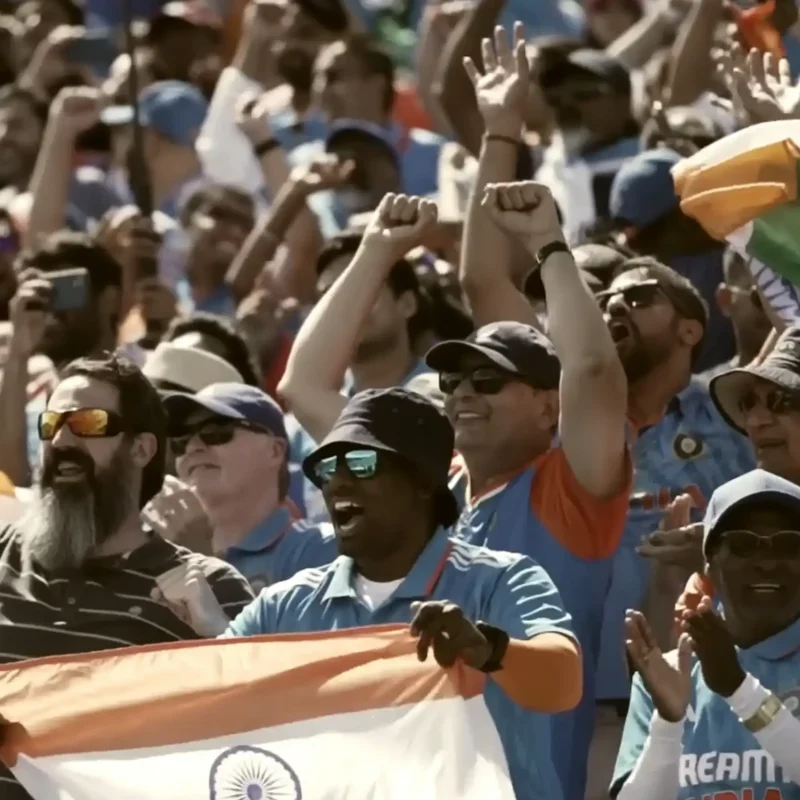
At packed stadiums across six Caribbean nations, tens of thousands of fans gathered at the 2024 Men’s T20 Cricket World Cup. One of the largest mass gathering events in the region, the World Cup offered unparalleled opportunities for celebration and for local economies as visitors from across the globe hopped across islands to catch 55 matches featuring the best cricket players in the world. But it also created ideal conditions for infectious diseases to spread rapidly and overwhelm local facilities.
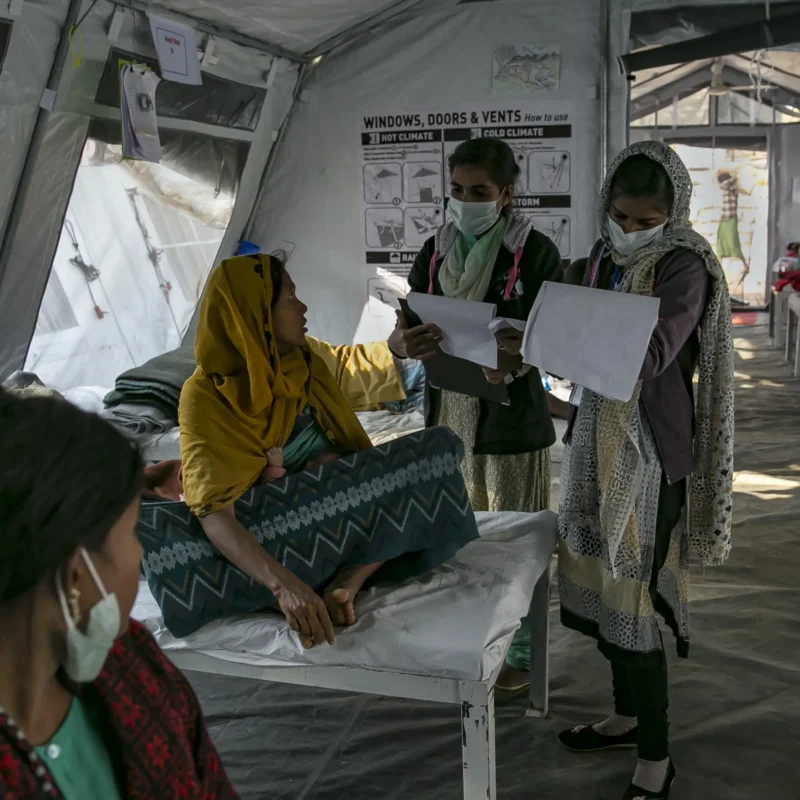
One night, when a game was in full swing, a woman started vomiting in the stands. Public health officials were on patrol and immediately stepped in to help—taking the woman to a sick bay for treatment while members of their team went back to the stand to clear the area, where a young boy was also vomiting and in need of help. Meanwhile, during a game at another stadium, a staff member who was feeling unwell checked into a health tent inside the venue, where they were diagnosed with gastrointestinal illness.
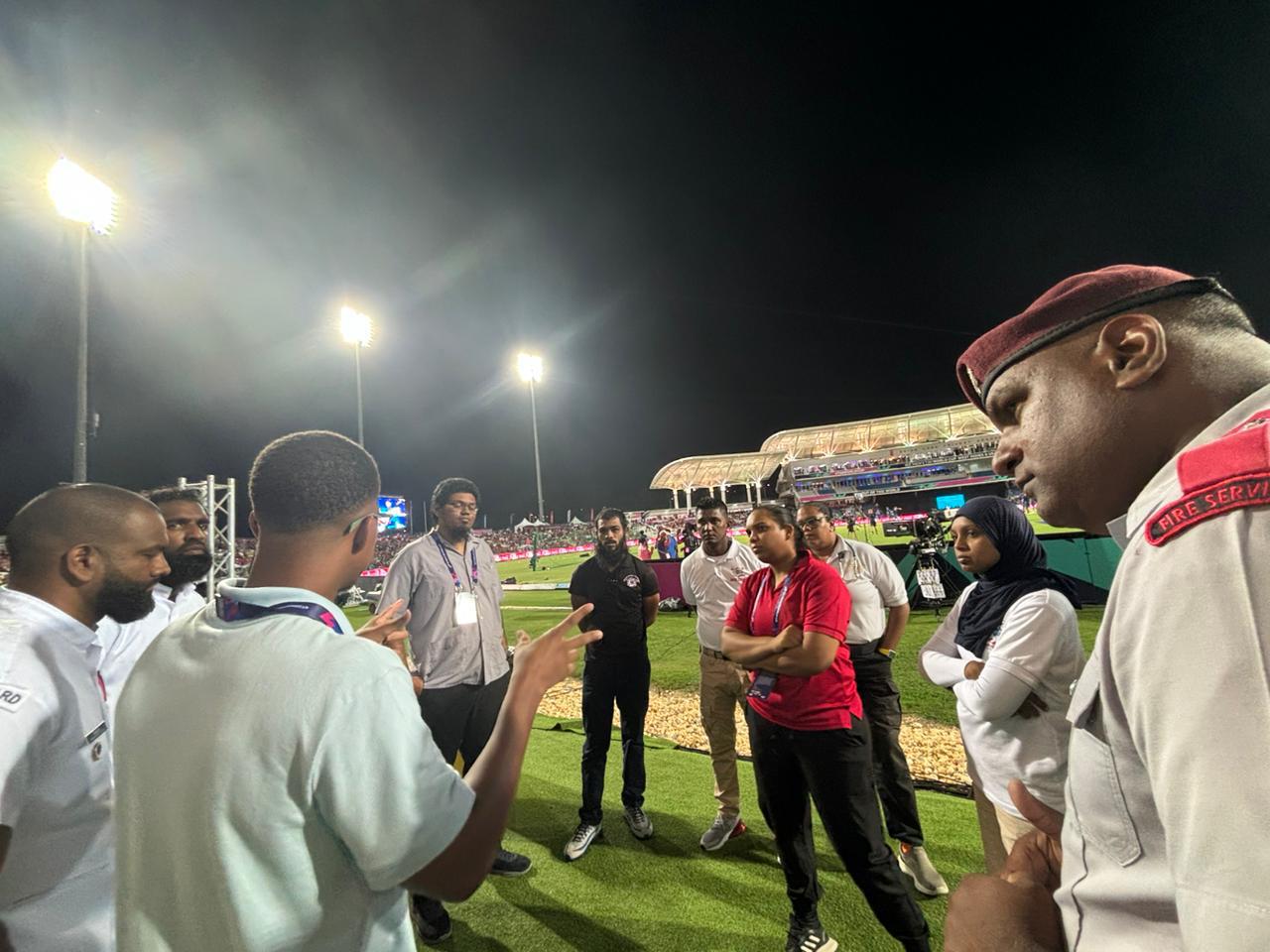
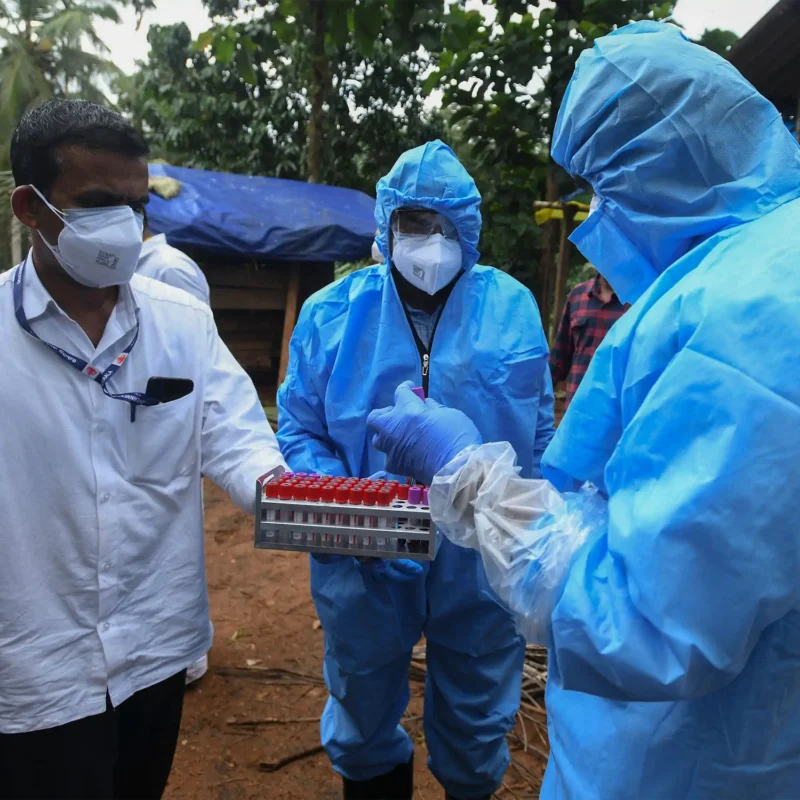
Both of these situations triggered swift response actions. As well as treating both individuals, on-site medical teams took samples for testing and passed them to mobile laboratories set up just outside the stadiums. Meanwhile, surveillance teams went back to where the individuals had been sitting to screen other spectators for similar symptoms. The next day, public health officials visited the hotels where the sick spectators were staying to conduct food safety spot checks, identify any additional cases and identify the source of the spectators’ illnesses.
An Early Warning System for Mass Gatherings
The elegant response that took place was not happenstance. It was the result of a rigorous early warning system developed by the Caribbean Public Health Agency (CARPHA). “We serve 26 small-island member states across the Caribbean with interconnected borders and economies dependent on tourism,” explained CARPHA’s Executive Director, Dr. Lisa Indar. “In an outbreak response, minutes can make all the difference. A rapid, coordinated response is vital to protect the safety of residents and visitors.”
“Dealing with two or three cases at the earliest point in time is much easier for us to manage, given our fragile health systems and resource constraints,” added Keston Daniel, a tourism and health coordinator at CARPHA. “Some countries have very small hospitals, even just one hospital.” Under these conditions, even a few cases can quickly multiply into a few hundred and soon overwhelm smaller health systems, putting residents at risk and damaging the island nations’ tourism-dependent economies.
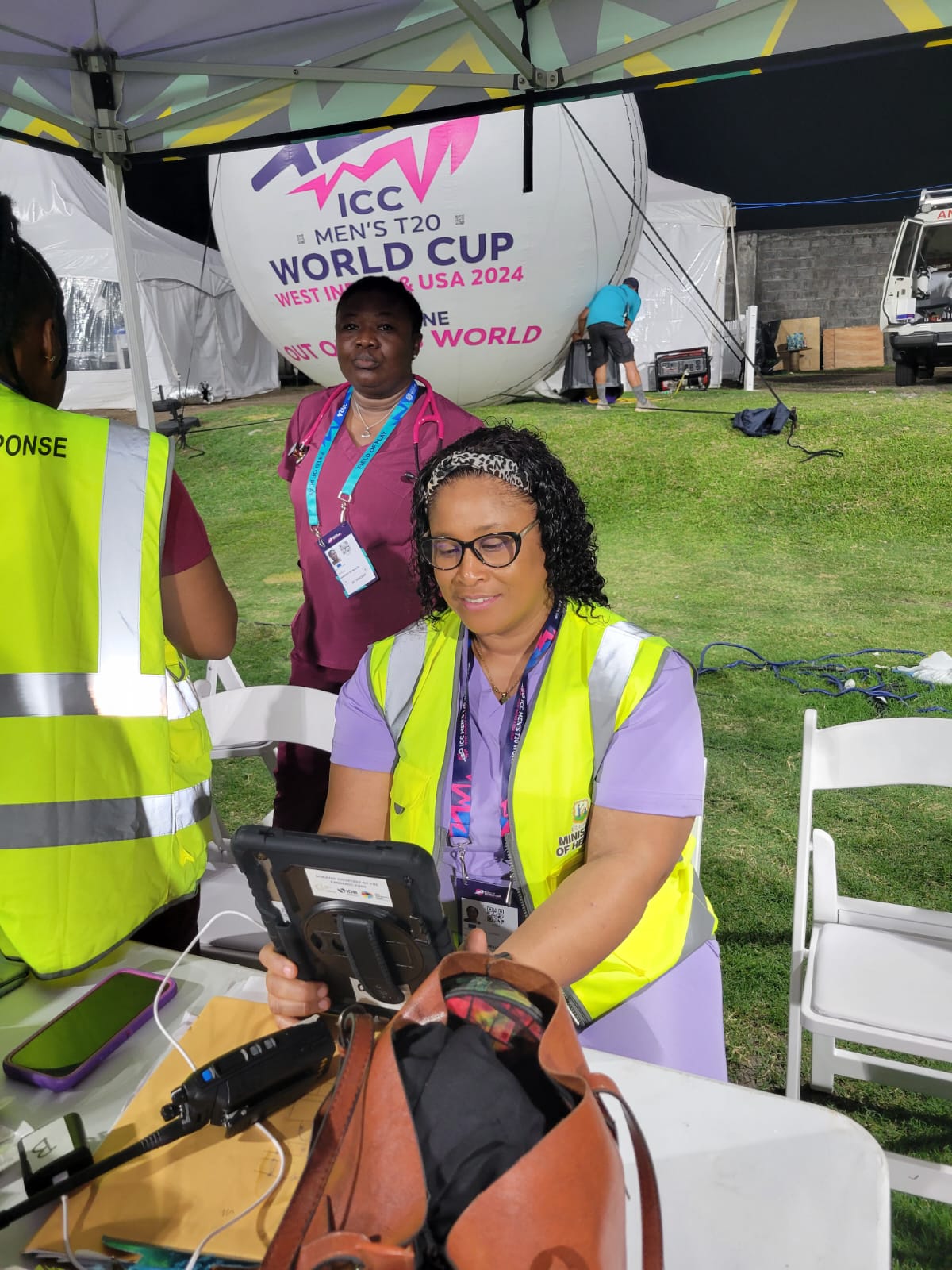
Ahead of the World Cup, CARPHA began developing a surveillance system. The team was able to fast-track development by using a tried-and-tested surveillance platform developed to capture health and tourism information, modifying the existing system for mass gathering events like the World Cup. While creating the module was simple enough, the team had to equip every event space with mobile hotspots to make sure officials could input and share data and receive alerts.
By the time the first cricket ball was bowled, the system was in place and internet hotspots were installed—with testing completed at smaller events. With support from the Pandemic Fund and Inter-American Development Bank, key staff were trained to use the system, including participating countries’ Ministry of Health surveillance officers, medical officers, national epidemiologists and nurses. During the games, on-the-ground teams used tablets provided by the Public Health Agency of Canada to enter data at the stadium health sites.
That data fed into dashboards monitored by each country’s chief medical officer and national epidemiologists, as well as by CARPHA. Dr. Sastee Kissoondan, a senior technical officer at CARPHA, helped produce daily regional reports using this data, combined with information from other sources including tourism organizations, disaster management and security systems and collaborating health organizations from the U.K. and U.S.
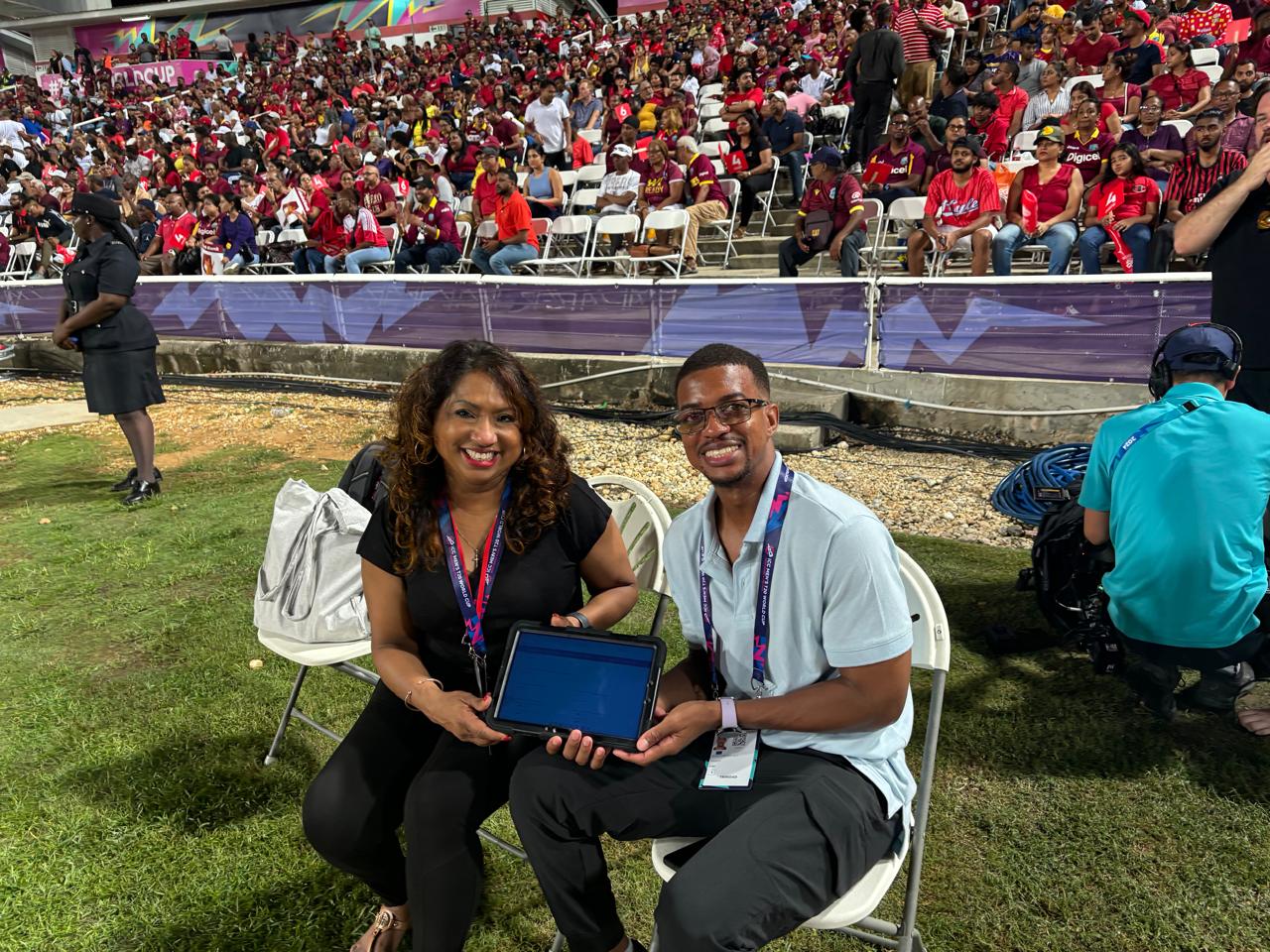
Ultimately, CARPHA’s mass gathering surveillance system got the right information to the right people fast enough to act on it. From a surveillance officer in the stands to a chief medical officer watching a real-time dashboard, every link in the chain supported decision-makers to respond before small problems became large ones, keeping spectators safe, the World Cup running and island economies protected.
Across 55 games in six host nations, CARPHA’s surveillance system captured a total of 146 cases of potential infectious disease and identified 17 of potential concern. Not one resulted in documented spread of disease at the 2024 Men’s T20 Cricket World Cup.
Enablers

Early warning system for rapid detection and response

Strong collaboration between local teams, national leaders and regional agencies

Mobile testing facilities for rapidly processing samples